

Essential Tips for Maintaining Vinyl Flooring
Vinyl flooring is a popular choice for many homes and commercial spaces due to its durability, affordability, and ease of installation. However, like any flooring material, it requires proper care to keep it looking its best over time. Whether you have luxury vinyl planks or sheet vinyl, understanding how to maintain your floors can extend their lifespan and preserve their appearance. This guide will walk you through practical and effective tips for maintaining vinyl flooring, helping you keep your space clean and beautiful.
Best Practices for Maintaining Vinyl Flooring
Maintaining vinyl flooring involves regular cleaning and preventive measures to avoid damage. Here are some essential tips to keep your vinyl floors in top condition:
Sweep or vacuum regularly: Dirt and grit can scratch the surface of vinyl flooring. Use a soft broom or a vacuum cleaner without a beater bar to remove debris.
Use doormats: Place mats at entrances to reduce the amount of dirt and moisture tracked onto the floor.
Avoid harsh cleaners: Use pH-neutral cleaners specifically designed for vinyl floors. Avoid abrasive scrubbing pads or harsh chemicals like bleach or ammonia.
Protect from furniture: Use felt pads under furniture legs to prevent dents and scratches.
Clean spills immediately: Wipe up spills as soon as they happen to prevent staining or damage.
By following these simple steps, you can prevent common issues such as discoloration, scratches, and wear spots.
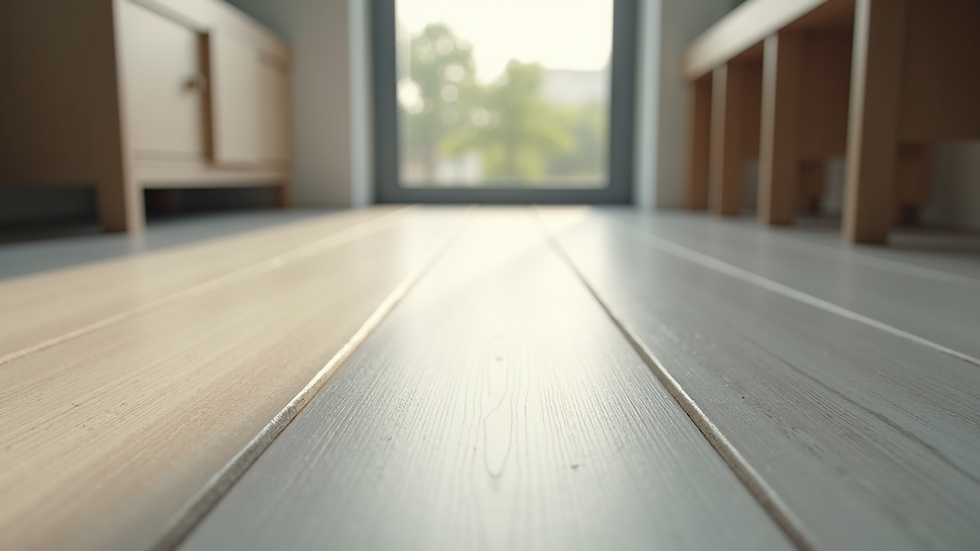
Tips for Maintaining Vinyl Flooring in High-Traffic Areas
High-traffic areas like hallways, kitchens, and entryways require extra attention. These spots are more prone to wear and tear, so maintaining them properly is crucial.
Use area rugs: Place rugs or runners in high-traffic zones to reduce direct wear on the vinyl.
Regular deep cleaning: Schedule a deeper clean every few weeks using a vinyl-safe cleaner and a microfiber mop.
Avoid dragging heavy objects: Lift furniture or appliances when moving them to prevent gouges or tears.
Maintain humidity levels: Vinyl can expand or contract with extreme humidity changes. Use a humidifier or dehumidifier to keep indoor humidity stable.
These additional precautions will help your vinyl flooring withstand heavy use without losing its charm.
Can You Mop Vinyl Flooring?
Yes, you can mop vinyl flooring, but it’s important to do it correctly to avoid damage. Here’s how to mop vinyl floors safely and effectively:
Use a damp mop, not a soaking wet one: Excess water can seep into seams and edges, causing the adhesive to weaken or the floor to warp.
Choose the right cleaning solution: Use a mild, pH-neutral cleaner made for vinyl floors. Avoid vinegar or ammonia-based products as they can dull the finish.
Microfiber mops are best: They clean well without scratching the surface.
Rinse the mop frequently: Change the water often to avoid spreading dirt around.
Dry the floor after mopping: Use a clean, dry cloth or mop to remove any remaining moisture.
By following these guidelines, mopping can be an effective part of your vinyl flooring maintenance routine without risking damage.

Preventing Damage and Stains on Vinyl Floors
Vinyl floors are resistant to many types of damage, but they are not indestructible. Here are some tips to prevent common problems:
Avoid sharp objects: Be cautious with knives, scissors, or pet claws that can puncture or scratch the surface.
Use protective mats under plants: Water and soil can stain vinyl if spilled.
Clean up ink and dye spills quickly: These can cause permanent stains if left too long.
Avoid rubber-backed mats: Some rubber can discolor vinyl floors over time.
Keep pet nails trimmed: This reduces the risk of scratches.
Taking these precautions will help maintain the floor’s appearance and prevent costly repairs.
When to Call a Professional for Vinyl Flooring Care
While many maintenance tasks can be done at home, some situations require professional help:
Deep scratches or gouges: Professionals can repair or replace damaged planks or tiles.
Severe stains: Some stains may need specialized cleaning products or techniques.
Water damage: If water has seeped under the vinyl, it may need to be lifted and dried professionally to prevent mold.
Refinishing or sealing: Some vinyl floors benefit from professional refinishing to restore shine and protect the surface.
Knowing when to seek expert assistance can save you time and money in the long run.
Keeping Your Vinyl Floors Looking New
Maintaining vinyl flooring is straightforward with the right approach. Regular cleaning, prompt spill management, and preventive care will keep your floors looking fresh and new for years. Remember, incorporating vinyl flooring maintenance into your routine is key to preserving the beauty and durability of your floors.
By investing a little time and effort, you can enjoy the benefits of vinyl flooring without worrying about wear and tear. Whether you have a busy household or a commercial space, these tips will help you maintain a clean, attractive floor that enhances your environment.
This comprehensive guide provides practical advice to help you care for your vinyl floors effectively. With consistent attention and the right techniques, your vinyl flooring will remain a stylish and functional part of your space.


Comments